

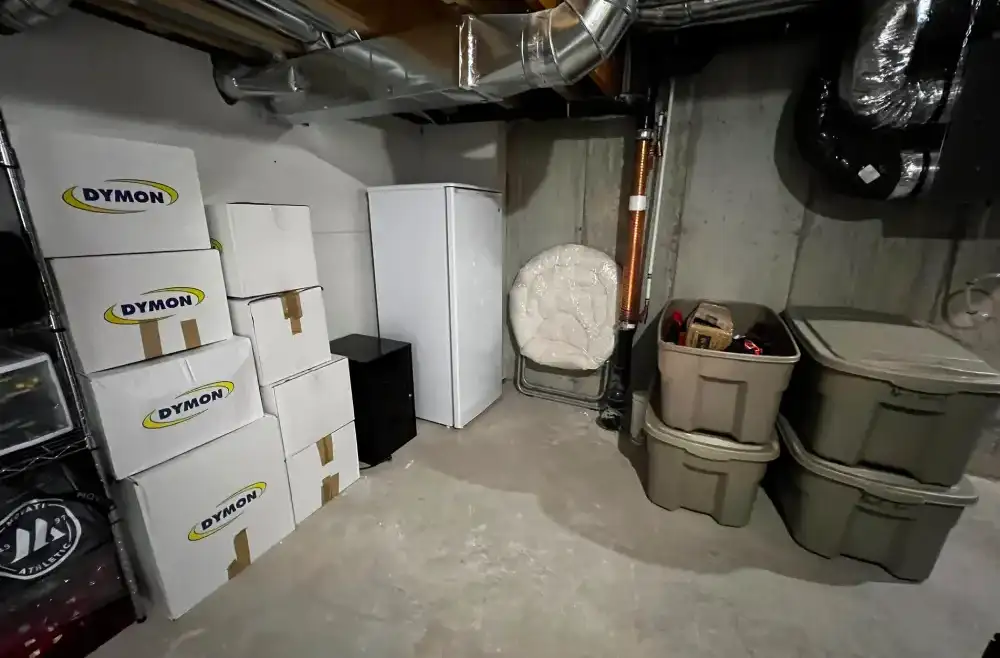
Moving day can be busy, but having everything prepared before the movers arrive can make the process much easier. From organizing your belongings to preparing your home and confirming access at your new property, a little planning can prevent unnecessary delays.
Whether you are moving to a new home, apartment, condo, or office in Ottawa, this moving day checklist will help you prepare for a smoother relocation.
1. Finish Packing Before Moving Day
Ideally, most of your belongings should already be packed before moving day.
Avoid leaving large amounts of packing until the movers arrive. Last-minute packing can slow down loading and make an already busy day more stressful.
Make sure boxes are properly closed, labelled, and ready to be moved.
2. Prepare a Moving Day Essentials Bag
Keep a personal bag with you instead of putting everything into moving boxes.
Your essentials bag may include:
- Phone and charger
- Wallet and identification
- Keys
- Important documents
- Medication
- Toiletries
- Change of clothes
- Water
- Snacks
- Basic cleaning supplies
Having these items with you means you will not have to search through boxes when you need something.
3. Keep Important Items Separate
Certain belongings should remain with you during the move.
Keep valuables, important documents, jewellery, cash, personal identification, and other essential items separate from the items being transported.
A dedicated bag or small container can make these belongings easy to keep track of throughout the day.
4. Clear Pathways
Before the movers arrive, make sure there is a clear path from the rooms to the entrance.
Move small objects, shoes, toys, decorations, and other obstacles out of hallways and walkways.
If furniture needs to pass through narrow areas, remove anything that could interfere with the moving team.
A clear path can help the loading process move more efficiently.
5. Protect Floors and High-Traffic Areas
Moving involves a lot of foot traffic.
If weather conditions are poor, consider protecting floors and other high-traffic areas. This can be especially useful during winter or rainy weather.
Make sure entrances, stairs, and walkways are safe and accessible.
6. Prepare Appliances
If appliances are being moved, make sure they are prepared before moving day.
Depending on the appliance, this may include:
- Emptying refrigerators and freezers
- Disconnecting appliances
- Removing shelves or loose components
- Securing doors
- Cleaning and drying appliances
- Following manufacturer instructions
If you are unsure whether an appliance requires special preparation, check the manufacturer’s instructions or ask your moving company beforehand.
7. Check Your Furniture
Walk through your home and make sure drawers, doors, shelves, and removable components are secured.
Remove loose items from furniture whenever possible.
For particularly large furniture pieces, make sure your movers know about them before moving day so they can plan for handling and access.
8. Confirm Building Requirements
If you are moving from or into an apartment or condominium, confirm the property’s moving requirements before the big day.
Some buildings may require:
- Elevator reservations
- Specific moving hours
- Loading area reservations
- Parking arrangements
- Certificates of insurance
- Building access codes
- Security deposits
Do not assume these arrangements will be handled automatically. Confirm them in advance with your building management.
9. Check Parking and Truck Access
Your moving truck needs a suitable place to park while your belongings are loaded or unloaded.
Check whether there are parking restrictions, construction zones, narrow streets, private driveways, or other access issues that could affect the move.
Tell your moving company about any potential access problems ahead of time.
10. Keep Children and Pets Safe
Moving day can involve heavy furniture, moving equipment, open doors, and frequent trips in and out of the property.
For safety, keep young children and pets away from active moving areas whenever possible.
Having a family member or friend look after them for the day can make things easier for everyone.
11. Take Photos Before the Move
Before the movers begin loading, consider taking photos of valuable furniture and other important belongings.
You can also photograph rooms and areas of your home before everything is removed.
These photos provide a useful record of the condition of your belongings and property before the move.
12. Keep Cleaning Supplies Accessible
Your old home may need a final cleaning after everything has been removed.
Keep a small cleaning kit accessible rather than packing it away.
Useful items include:
- Paper towels
- Cleaning cloths
- Garbage bags
- Multi-purpose cleaner
- Broom
- Dustpan
- Disinfecting wipes
You may also want a separate cleaning kit for your new home.
13. Do a Final Walk-Through
Once everything has been loaded, walk through every room before leaving.
Check:
- Closets
- Cabinets
- Drawers
- Basement
- Garage
- Storage areas
- Attic
- Bathrooms
- Balconies
- Outdoor areas
It is surprisingly easy to leave a small item behind.
Take your time and check the property carefully.
14. Confirm Access to Your New Home
Before leaving your old property, make sure you have everything needed to access the new one.
This may include:
- House keys
- Building keys
- Garage remotes
- Access codes
- Elevator information
- Parking instructions
If someone else is meeting the movers at the new property, confirm the arrangements before the truck leaves.
15. Prepare the New Home
If possible, make sure the new property is ready before your belongings arrive.
Clear pathways and identify where large furniture should go.
If you already know where major furniture pieces will be placed, communicate this to the moving team. This can reduce the amount of rearranging required later.
What Should You Do While the Movers Are Loading?
You do not need to follow every piece of furniture around the house.
Instead, stay available to answer questions and provide information when necessary.
Let the movers know about:
- Fragile belongings
- Items requiring special care
- Furniture placement
- Difficult access areas
- Items that should not be moved
- Boxes requiring special attention
Clear communication can help the day run more smoothly.
What Should You Do After Everything Is Unloaded?
Once your belongings arrive, focus on the essentials first.
You do not need to unpack the entire house immediately.
Start with:
- Beds and bedding
- Bathroom essentials
- Basic kitchen items
- Children’s necessities
- Important electronics
- Everyday clothing
Once the essentials are in place, you can gradually unpack the remaining boxes.
A Simple Moving Day Checklist
Before the movers arrive:
- Finish packing
- Label all boxes
- Prepare your essentials bag
- Separate valuables and important documents
- Clear pathways
- Prepare appliances
- Secure furniture
- Confirm elevator reservations
- Confirm parking and access
- Keep children and pets away from moving areas
- Prepare cleaning supplies
- Confirm access to the new property
After loading:
- Check every room
- Check closets and cabinets
- Check garage and storage areas
- Take final photos
- Make sure nothing is left behind
- Confirm the new property is accessible
Let Professional Movers Handle the Heavy Work
A well-prepared moving day can save time and reduce stress. However, loading furniture, carrying heavy boxes, navigating stairs, and transporting your belongings can still be physically demanding.
Professional movers can handle the heavy lifting and help coordinate the loading and unloading process.
Ottawa Next Movers provides moving services throughout Ottawa and surrounding communities, including residential, apartment, condo, office, and commercial moves.
Whether you are moving across Ottawa or relocating to another city, having an experienced moving team can make the process easier to manage.
Final Thoughts
The best moving days are usually the ones that have been prepared for in advance.
Finish packing, organize your essentials, clear your pathways, confirm building requirements, and make sure your new property is ready before the movers arrive.
A simple checklist can keep you focused and help prevent small problems from becoming major delays.
If you are planning your next move in Ottawa, contact Ottawa Next Movers to request a free moving quote.